
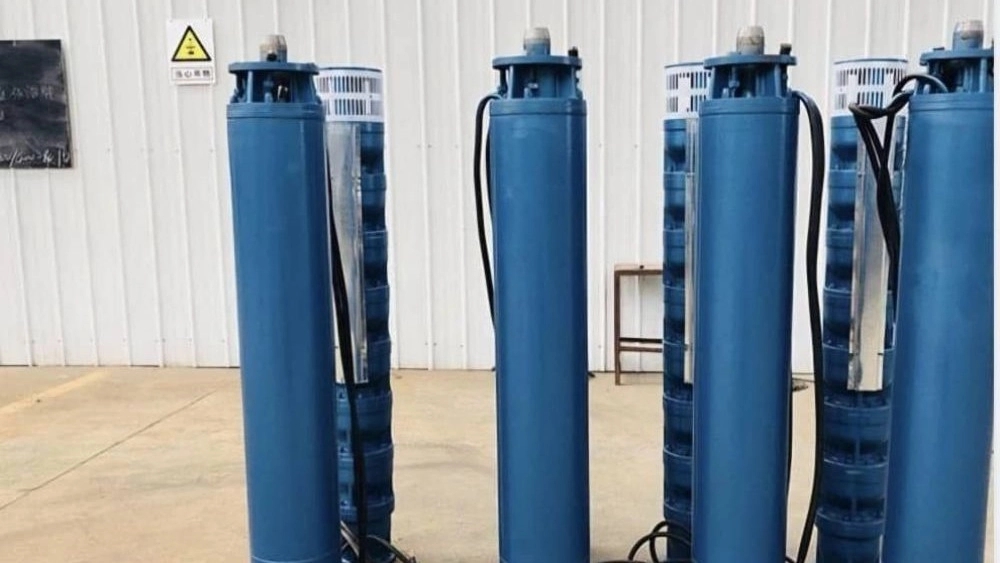
floating pump with dust -resistant motor: Selection, Function and Maintenance Guide
Why is the floating pump with a dust -resistant engine important?
design and structure of dust -resistant motor
Hardware and materials
- Reinforced protective shell: To prevent particulate penetration, the engine body is usually made of alloys or coatings with precision sealing.
- Bearings and resistant bearings: flood bearings and special oils covered with oils. Ventilation that prevents particulates from entering critical paths.
- Anticoagative coatings: internal components are covered with resistant coatings to increase durability.
Electrical Requirements and Insulation
- Insulated wires: Using high thermal and chemical resistance materials that prevent dust and moisture from penetrating the wiring kernel.
- Protection Class (IP): Floating pump with dust -resistant motor is usually higher (IP55). It is.
- Protection against Increasing Temperature: Heat sensors and thermal keys that turn off or limit the motor if the temperature rises.
The Benefits of Using Dust -resistant Floating Pumps
Increase the useful life of equipment
Reduce Maintenance Costs
Sustainable Performance in Hard Conditions
Floating pump with dust -resistant motor is capable of continuously operating in high pollution environments without observing significant performance. This advantage is critical for continuous pumping operations in mines, workshops and fields.
Common applications of floating pump with dust -resistant motor
Mining Industry
In surface and tunnel mines, the dust caused by drilling and crushing is very high. It is essential to use a floating pump with dust -resistant motor for water, water and effluent in such environments.
agriculture and irrigation under pressure
In arid and semi -arid areas where the wind is suspended, resistant pumps prevent successive failures and ensure sustainable water supply for irrigation.
construction and construction workshops
In construction projects where soil and dust are abundant, the floating pump with dust -resistant motor is used for drainage, discharge and water supply.
important technical parameters when buying a floating pump with dust -resistant motor
Capacity and Head
Choosing a pump with a proper discharge and head based on the actual need of water or discharge is the first step. Careful calculation of the discharge and head helps to select a pump to work in the right task and prevent the engine from overloading.
degree of protection (IP) and protective standards
IP protective degree and productive standards are essential to ensure resistance to solid particles and environmental conditions. It is better to consider the IP for very high -dust environments.
Engine Power and Promotion
Selected power must be calculated according to the discharge and system head as well as the load conditions. High -efficiency engines, although they have more initial costs, reduce energy consumption and operating costs.
Corrosion Material and Resistance Materials
It is important to choose the right materials for butterfly, body and internal components that are resistant to abrasion and corrosion. Special alloys or coatings are used in corrosive environments or specific chemicals.
Installation and Launch Tips for Better Performance
Environmental Installation and Protection Place
Selecting the installation is important in order to have access to the service and review. If possible, installing the pump in a protective chamber or under the shade that limits the dust entry will extend the useful life.
Electric Connection and Safety Protection
Using suitable cables, anti -bulk bonding boxes and fuses/protective keys are essential to prevent electrical damage. For greater safety, the installation of thermal amputation and overload protection is recommended.
initial testing and launch
Before the final launch, the pump must be tested in terms of leakage, correct wiring, valve performance, and performance specifications (discharge and head). Launching information registration provides a good basis for future maintenance.
Dust -resistant floating pump and service guide
Periodic Visits and Cleaning
- Daily/Weekly Visits: Checking the appearance, around the installation or abnormal vibrations.
- Cleaning filters and ventilation paths: Filters must be regularly cleaned or replaced to maintain the functioning of the ventilation system
- Cleaning and compartment:
review of bearings and lubricants
Bearings and bearings must be lubricated or lubricated. It is recommended to use suitable greases for high -income environments that reduce the penetration of particles.
temperature monitoring and vibration
Installation of temperature monitoring and vibration sensors helps to identify early failures. An abnormal increase in temperature or unusual vibration pattern indicates a potential problem in bearings or impeller imbalances.
Replacement of consumables
parts such as mechanical floods, bearings and filters must be replaced according to the manufacturer's instructions and according to the working conditions. The use of spare parts with quality of the system enhances the overall life of the system.
common problems and methods of fixing them
Reduce Dubai or Decrease of Performance
Possible Reasons: Currying the butterfly with sediments or particles, the erosion of the impeller, the reduction of motor power or the output pathway. Solution: Review and Cleaning of Butterfly, Input Voltage Measurement and Output Railway Control.
Increase Engine Temperature
possible reasons: obstruction of ventilation, bearing erosion, overcrowding or electrical problems. Solution: Filters check, bear testing, work load control and wires review.
dust penetration into the motor compartment
possible reasons: Damage to sealing or filters, inappropriate installation or burnout. Solution: Replacement or repair of sealants, upgrades of filters and accurate inspection of installation.
cost and economic value of floating pump with dust -resistant motor
Comparison of the initial cost and total cost of ownership
Estimation of Capital Return
To calculate the return on capital, the initial costs, the conventional repair costs of the ordinary model, the cost of energy, and the stop times that are caused by the failures. In high -income environments, this return on capital is usually faster because the cost of maintaining non -model models will be high.
innovations and technologies in dust -resistant engines
Nanotechnologies and Advanced Coatings
Using nanomaterial coatings to reduce particle adhesion and resistance to abrasion helps to extend the life of the parts.
Smart Sensors and Internet of Things
integration of temperature, vibration and current sensors with remote monitoring systems (IoT) allows continuous monitoring of the performance of the floating pump with dust -resistant motor and send preventive warnings for timed maintenance.
modular design and the ability to quickly replace the parts
Modular design that allows fast -paced damaged parts to be replaced without the need for sophisticated tools, reduces the stop time and makes it easier to maintain.
Final checklist for selection and maintenance
Before buying
- Determine Degree and Head Required
- Investigating IP Protection Degree and Matching Environmental Conditions
- Selection of Materials Compatible with Chemical and Environmental conditions
- Inquiry Cost of Ownership and Spare Parts
After installation and in operation
- Set the Cleaning and Cleaning Schedule
- Regularly check the filters and ventilation system
- Monitor the electrical and mechanical parameters (temperature, vibration, current)
- Sumor parts according to the manufacturer's instructions
Summary
Floating pump with dust -resistant motor is an efficient and economical solution for hard and difficult environments. Proper selection based on technical parameters, regular installation and use of new technologies can ensure sustainable performance and long life. If the purpose of reducing stops, saving on maintenance costs, and ensuring water supply in difficult conditions is to invest in a floating pump with dust -resistant engine.

Nazanin Zahra Ghanimati
نویسنده پست
6499
مقاله
Web content production and SEO specialist active in the field of specialized web content production, the main focus is on producing targeted and optimized content for search engines (SEO) so that websites can get a better position in Google results.
مطالبی که در این پست مطالعه میکنید
floating pump with dust -resistant motor: Selection, Function and Maintenance Guide
Installation and Launch Tips for Better Performance
Dust -resistant floating pump and service guide
common problems and methods of fixing them
cost and economic value of floating pump with dust -resistant motor
innovations and technologies in dust -resistant engines
Final checklist for selection and maintenance